Pewter at the table
Can Pewter Hold Hot Food? Safe Serving Rules
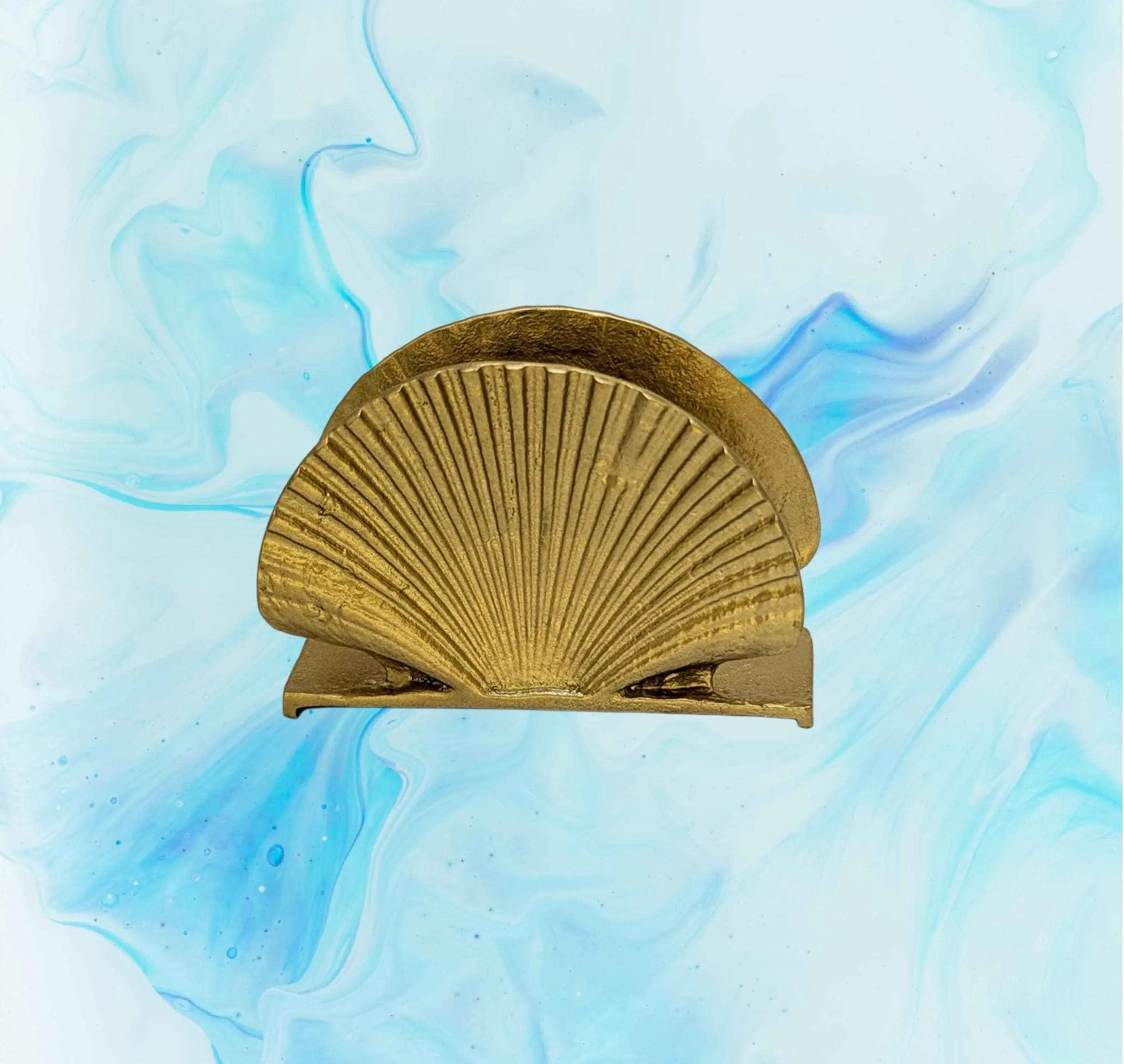
Modern lead-free pewter can bring warmth and sculptural detail to a meal, but it belongs at the serving table, not on the stove. The simple rule is to use a food-safe piece for its intended purpose, then let ceramic, glass, and cookware handle the concentrated heat.
Yes, for serving. No, for cooking.
A contemporary lead-free pewter piece that is made for food service can hold warm or hot food during a meal. A serving spoon can portion a warm dish, and a small serving piece can help present food at the table. The metal becomes warm quickly, so give guests a stable surface and handle hot pieces with care.
That is very different from cooking with pewter. Do not use pewter in an oven, microwave, air fryer, slow cooker, on a stovetop burner, grill, or open flame. Avoid preheating an empty pewter vessel, too. Those uses expose the metal to concentrated heat that table pieces are not designed to manage.
Think about heat, time, and the job of the piece
The question is not only whether food is hot. Consider how long it will sit in the piece and whether the item was made to touch food at all. Warm food passed around the table is one thing. A pot of simmering sauce, a dish under a broiler, or food stored for hours is another.
For a large portion of steaming food, a ceramic, porcelain, or heat-safe glass bowl is usually the better main vessel. Pewter still earns its place through a serving spoon, a small salt cellar, a table accent, or a carefully chosen serving piece. This keeps the meal practical while allowing handmade details to be seen and enjoyed.
Choose modern lead-free pewter for food service
Modern pewter is a tin-based alloy. A clear material description from the maker is the best starting point when choosing a piece for a table or kitchen. Read more about the material in our guide to what modern pewter is made of.
Older, inherited, or unmarked pewter needs more caution. Its material makeup may not be known, and it should not be treated as equivalent to a newly made lead-free object. When the composition and intended use are unclear, display the piece rather than use it for food or drink.
Be thoughtful with acidic and salty foods
Food temperature is not the only consideration. For tomato-based dishes, citrus, vinegar-heavy recipes, wine sauces, brines, and other strongly acidic foods, avoid prolonged contact with pewter. A brief serving moment is different from letting food sit for an afternoon or storing leftovers in the piece.
Very salty or wet foods deserve the same approach. Bring them to the table in a material suited to holding them, then use pewter for the serving detail that makes the setting feel personal. That keeps care straightforward and lets each material do the job it does best.
Easy ways to use pewter at a warm meal
- Serve with a sculptural spoon. A pewter spoon can add a memorable detail beside a warm dish without becoming the cooking vessel.
- Set out salt at the table. A small salt cellar or shaker set keeps a useful ingredient close and gives guests something lovely to pass.
- Frame the table with candlelight. A hand-cast candle holder creates atmosphere away from the heat of cooking.
- Finish a place setting. Pewter napkin rings bring a handmade detail to the table without direct food contact.
These are the small roles that make a meal feel considered. Pewter is most enjoyable when it supports the gathering instead of being asked to behave like commercial cookware.
Care after serving
Let a warm piece cool naturally before washing it. Avoid sudden temperature changes, then wash gently by hand with mild soap and warm water. Rinse, dry promptly with a soft cloth, and store it somewhere dry. The full care guide, including what to avoid, is in Does Pewter Tarnish?.
Skip the dishwasher, abrasive scrubbers, scouring powders, and harsh cleaners. Gentle care protects the soft finish and the hand-cast texture that makes each piece feel different from a generic table accessory.
Frequently asked questions
Can pewter hold hot food?
A modern lead-free pewter piece made for food service can hold warm or hot food at the table. It should not be used for cooking, direct heat, or long-term food storage.
Can pewter go in the oven or microwave?
No. Do not place pewter in an oven, microwave, air fryer, slow cooker, on a burner, or over an open flame. Pewter is for serving and presentation, not concentrated cooking heat.
Is old pewter safe for food?
Do not assume an older or unmarked pewter object is safe for food or drink. Its composition may differ from modern lead-free pewter, so it is best kept decorative unless its material history is known.
Make the table feel like yours
At a warm meal, the cookware can do the heavy work while the table tells the story. Explore the full collection of hand-cast functional art for pieces made to bring texture, character, and a little more pleasure to everyday gatherings.