
The journal
Handmade Versus Mass-Produced Decor at Home
Handmade Versus Mass-Produced Decor at Home
A table set for friends can tell two very different stories. One may hold familiar pieces chosen for convenience. The other may include a sculptural pewter napkin ring, a botanical spoon, or a candle holder shaped by an artist’s hand. The question of handmade versus mass-produced decor is not simply about price or style. It is about how the objects we use each day bring character, memory, and care into a room.
Both handmade and factory-made pieces have a place in a well-furnished home. A thoughtful room does not need to be filled exclusively with artisan objects. But the items that anchor a dining table, welcome guests at an entryway, or sit within reach on a desk deserve a closer look. These are the objects that turn routines into small rituals.
Handmade Versus Mass-Produced Decor: The Real Difference
Mass-produced decor is designed for consistency at scale. A manufacturer creates a model, develops a production process, and produces many nearly identical versions. This approach can make decorative accessories widely available and relatively affordable. It is particularly useful for basics, seasonal accents, or occasions when a matching set matters more than a singular detail.
Handmade decor begins with a different priority. The artist or craftsperson considers the form, the material, the texture, and the way an object will be held or used. In handcrafted metalwork, a leaf vein, feather, shell edge, or ancient-inspired pattern can carry a sense of movement that would be difficult to capture in a generic mold. The final piece is functional, yet it also preserves the presence of the hand that made it.
That does not mean every handmade object is imperfect or every mass-produced object is without merit. It means their value is measured differently. Factory production favors repeatability. Handcraft favors detail, material character, and a more personal relationship between maker, object, and owner.
The beauty of small variations
When an artisan works with pewter or another metal, subtle variations in finish and texture are part of the object’s identity. These are not flaws to hide. They are evidence that the piece was shaped with attention rather than stamped out as a duplicate of thousands more.
A handmade coastal shell salt cellar may reveal gentle changes in its surface that make it feel collected from a shoreline rather than pulled from a warehouse shelf.
A grapevine napkin ring
may have a liveliness that suits a table set for a long dinner. These details help decor feel collected over time, even when it is newly purchased.
How Each Choice Changes a Room
Mass-produced decor often provides visual order quickly. If you are outfitting an entire room, moving into a first home, or preparing for a large event, coordinated items can establish a color palette and basic function without requiring a lengthy search. There is real ease in finding several matching candle holders or containers at once.
Yet rooms made entirely from the same retail formula can feel anonymous. The eye passes over objects that are familiar because it has seen them everywhere. A single handmade piece can interrupt that sameness in the best way. It creates a point of curiosity:
an Excalibur replica letter opener
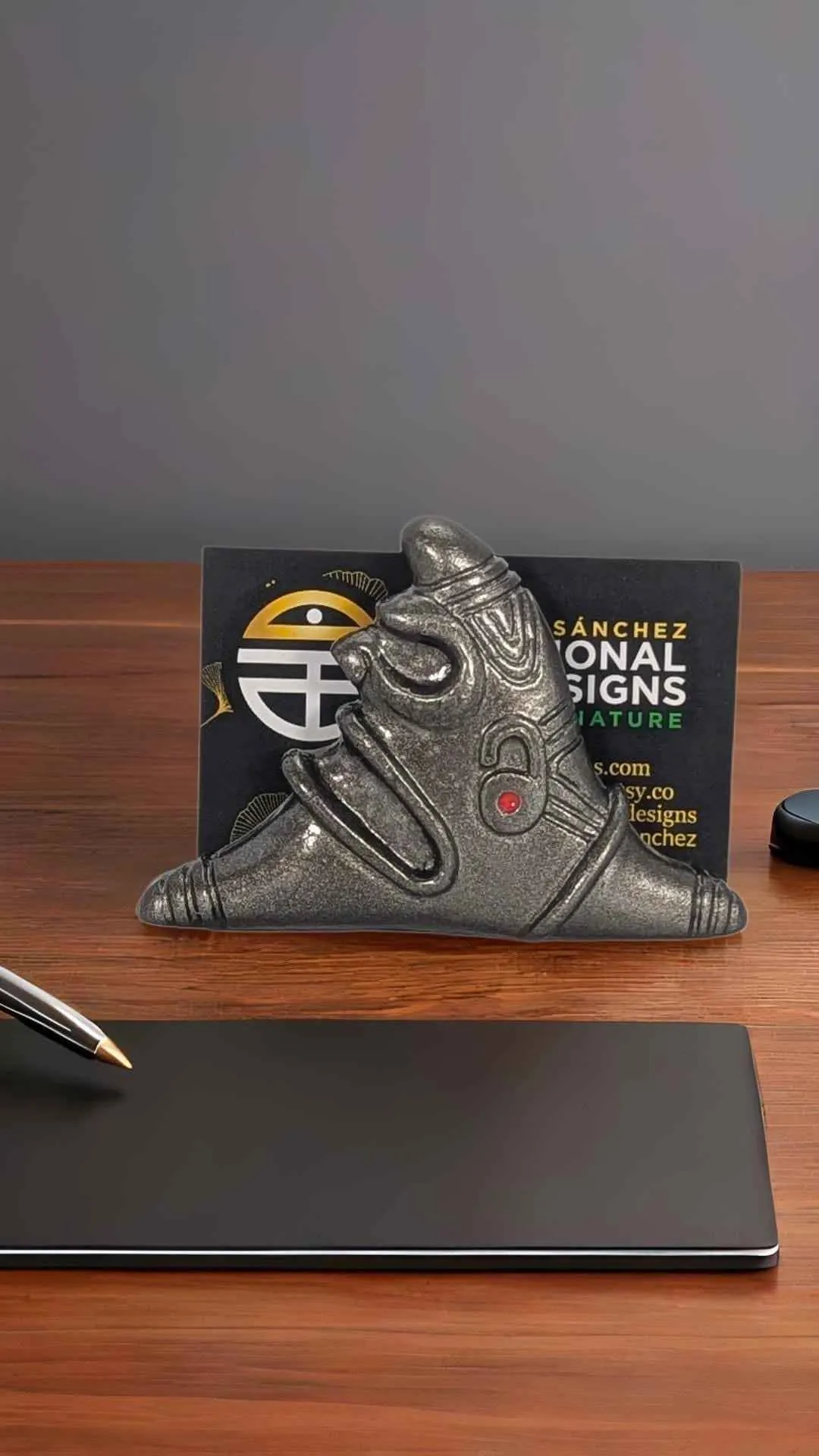
on a desk, an ancient Greek-inspired business card holder near the entry, or a whimsical Caribbean decor accent beside candlelight.
The strongest interiors often use both. Let accessible, simple pieces create the framework. Then choose a few handmade objects for the places where people gather, touch, pause, and look closely. A well-made functional accessory does not need to fill every shelf to make an impression.
Function gives art a daily life
Decorative objects earn lasting affection when they participate in the life of the home. A beautiful object behind glass may be admired, but a handcrafted spoon used to serve sugar or spices becomes part of a morning ritual. A detailed napkin ring joins birthdays, holidays, and quiet weeknight meals. A candle holder changes the mood of a room as daylight fades.
This is where functional art has an advantage over decor chosen only for display. It offers beauty without asking for precious treatment. The object has a job, and its artistic detail makes that job feel more considered.
For hosts, this can be especially meaningful. Guests may not remember every plate on the table, but they often notice the detail that sparked a conversation. A botanical pewter accessory can suggest a garden, a tropical meal, a family tradition, or a trip remembered with affection. It gives the table a story without making it feel formal or untouchable.
Materials Matter Beyond Appearance
The material behind an object affects its look, feel, and place in the home. Lightweight plastic may be practical for a temporary display, but it rarely gains warmth through use. Metal, wood, ceramic, and natural fibers can develop a richer presence over time, especially when their forms are made with care.
For dining and entertaining accessories, material safety also belongs in the decision. Lead-free pewter offers a substantial feel and a softly luminous finish while being suitable for many decorative and food-adjacent uses. It can complement traditional silver, colorful stoneware, clear glass, and modern table settings without demanding a perfect match.
A handmade object also makes the material more visible. Instead of metal serving as a neutral coating, it becomes part of the design language. Pewter can suggest the silvery surface of water, the texture of a palm leaf, the armor of a legendary creature, or the weathered dignity of an artifact. These associations are what give an everyday accessory its sculptural presence.
Value Is More Than the Price Tag
It is fair to say that handmade decor may cost more than a similar-looking factory-made alternative. Skilled labor, artist-led design, smaller production runs, and quality materials all shape the price. For a buyer furnishing an entire home at once, choosing artisan work for every category may not be practical.
The better question is where a handmade piece will matter most. A generic tray may solve an immediate need, while a handcrafted desk organizer may remain on view for years. A simple set of napkins can be refreshed often, while distinctive napkin rings can become part of a family’s entertaining tradition. Value grows when an object is used repeatedly, admired closely, and still feels personal after the novelty has passed.
Handmade decor can also be an especially thoughtful gift. It avoids the uncertainty of large furniture or highly specific art while still carrying a sense of intention.
A nature-inspired kitchen gift,
elegant candle holder, or artist-crafted letter opener is practical enough to use immediately and distinctive enough to feel chosen rather than obligatory.
Choosing What Belongs in Your Home
Start with the moments you want your home to support. If your favorite evenings involve cooking for friends, look at dining details: serving pieces, salt cellars, candle holders, and napkin rings. If your workday begins at a desk, consider the objects that organize correspondence, business cards, or small essentials. If you are choosing a gift, think about the recipient’s rituals rather than their square footage.
Then consider the story you want an object to carry. Nature motifs suit homes that feel grounded, relaxed, or garden-inspired. Coastal forms can add a light, collected quality without turning a room into a theme. Historic and legendary motifs bring depth to offices, libraries, and traditional interiors. The right decorative object does not have to match every item around it. It should feel at home with the people using it.
At Functional Art Designs by Hugo De Sánchez, the goal is not to replace every practical item with sculpture. It is to offer useful decorative art that makes ordinary gestures feel more personal, whether that means lighting a candle, setting a table, or opening a letter.
Choose mass-produced pieces when you need simple coordination, a temporary solution, or a broad foundation for a room. Choose handmade pieces when you want material presence, artistic detail, and an object that can become part of your home’s own history. Place one where your hands naturally reach for it, and let its usefulness give its beauty a reason to stay.