
The journal
How to Clean Handmade Pewter Without Dulling It
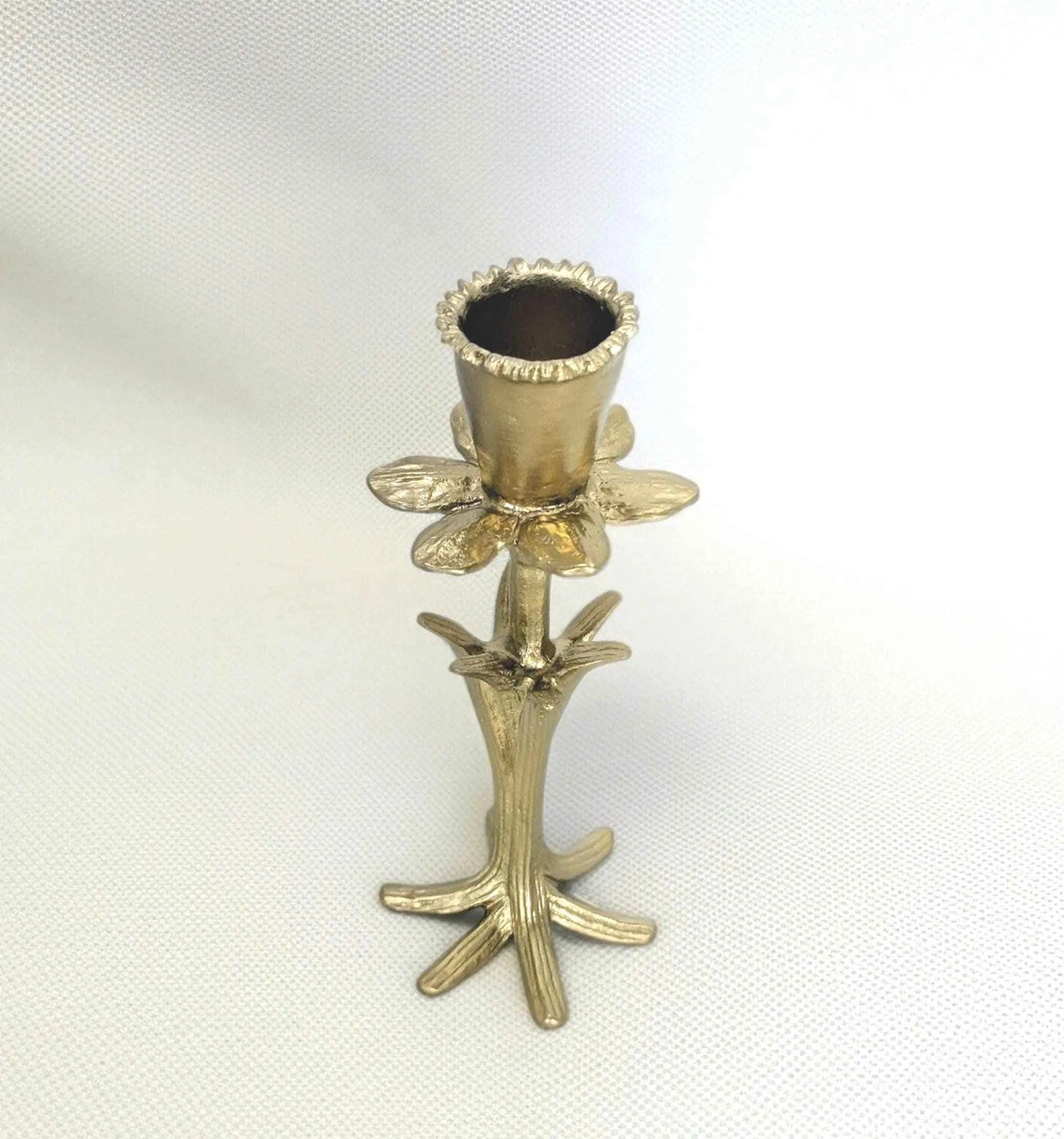
How to Clean Handmade Pewter Without Dulling It
A pewter salt cellar touched by busy hands, a candle holder warmed by wax, or a
botanical napkin ring
brought out for a favorite dinner party should look lived with, not neglected. Knowing
how to clean handmade pewter
means respecting both its practical role and its sculptural detail. The goal is not to make every piece look factory-new. It is to remove residue gently while preserving the soft glow and hand-finished character that make pewter so inviting.
Handmade lead-free pewter is wonderfully suited to daily rituals at the table, in the kitchen, or on a desk. It is also a relatively soft metal. A rushed scrub with the wrong cleaner can leave fine scratches, flatten textured details, or create an unnatural shine. A little attentive care goes a long way.
How to Clean Handmade Pewter Safely
For most handmade pewter accessories, mild dish soap, warm water, and a soft cloth are all you need. Start by filling a bowl or sink with warm, not hot, water and adding a small amount of gentle dish soap. Dip a soft microfiber cloth or nonabrasive sponge into the water, wring it out well, and wipe the piece with light pressure.
Pay special attention to areas that collect fingerprints, food residue, or dust: the rim of a salt cellar, the bowl of a decorative spoon, or the recesses of a detailed animal or leaf motif. If needed, use a soft toothbrush with very gentle strokes to reach textured crevices. Do not press hard. The purpose is to lift debris, not polish the metal.
Rinse the piece promptly under warm running water or wipe away soap with a separate clean, damp cloth. Then dry it completely with a soft towel. This final step matters more than it may seem. Water left in carved details or along seams can leave spots and dull the finish over time.
Never soak handmade pewter for an extended period, and do not put it in the dishwasher. High heat, strong detergent, and prolonged moisture are harsh on a hand-finished surface. The dishwasher may be convenient for everyday glassware, but it is not the right setting for a tropical nature-inspired kitchen gift or an
ancient art desk organizer
made to be enjoyed for years.
First, Notice the Finish You Are Caring For
Not every pewter object is meant to have the same appearance. Some handmade pieces have a bright, reflective finish. Others are satin-soft, antiqued, darkened in recessed details, or deliberately textured to bring out a botanical, coastal, or historic motif. Cleaning should support the finish already present rather than trying to transform it.
If your piece has a softly aged appearance, resist the urge to polish every darker area away. Shadows in a sculpted feather, shell, vine, or mythic figure often add depth to the artist's design. A high-shine polish can erase that visual contrast and make detailed metalwork look less dimensional.
A brighter piece can be buffed lightly after washing with a dry microfiber cloth. Use small, easy motions and stop once the surface looks clean and even. Handmade pewter does not need aggressive rubbing to look beautiful.
Avoid These Common Cleaning Mistakes
Skip silver polish unless the product specifically says it is suitable for pewter. Pewter and silver behave differently, and silver polish can be too abrasive or leave a finish that looks overly bright. Also avoid steel wool, scouring pads, gritty powders, abrasive cream cleansers, and rough paper towels.
Acidic household shortcuts are not a good fit either. Vinegar, lemon juice, and strong baking soda pastes are often suggested for metal cleaning, but they can alter a carefully finished pewter surface. Bleach and ammonia-based cleaners should stay far away from handmade metalwork.
Be cautious with commercial metal polishes. If you choose to use one on a piece with a bright finish, test a tiny, hidden area first and follow the product directions exactly. For a hand-cast object with a satin or antiqued finish, mild soap and water remain the better choice almost every time.
Removing Candle Wax From Pewter Candle Holders
Candle wax is part of the pleasure of a pewter candle holder, especially at a table set for a long meal or a quiet evening at home. Still, a thick buildup can hide the graceful lines of the piece. Remove it patiently rather than scraping it with a knife or metal tool.
Let the wax cool and harden completely. Gently lift away larger pieces with your fingernail or the edge of a plastic card. If wax remains in a detailed area, place the candle holder in the refrigerator for about 15 to 20 minutes. The chilled wax often becomes easier to release without force.
For a thin film of wax, warm the surface slightly with a hair dryer on its lowest setting, held at a distance. Wipe the softened wax away with a soft cloth. Do not use an open flame, boiling water, or high heat. Excess heat can make handling difficult and is unnecessary for a successful cleanup.
After the wax is removed, wipe the holder with a lightly soaped, damp cloth, rinse carefully if appropriate for its shape, and dry thoroughly. If wax has collected in very fine relief, a soft toothbrush can help, followed by a dry cloth to catch any remaining moisture.
Care for Pewter Used With Food and Drink
Lead-free pewter accessories intended for serving or dining deserve the same gentle approach, with a little extra attention to prompt cleaning. Wash decorative spoons, salt cellars, small serving pieces, and napkin rings soon after use, particularly after contact with salty, acidic, or oily foods.
Do not leave citrus slices, vinegar-based dressings, wine, or damp food residue sitting on pewter for long periods. A brief contact during serving is not a concern, but extended exposure can leave marks that require more careful cleaning. Once washed, dry food-related pieces completely before storing them.
For a salt cellar, empty any salt that has become damp or clumped, wipe the interior with a barely damp cloth, and dry it very well. Salt attracts moisture, so this small habit helps preserve both the metal and the usefulness of the piece.
Dusting Detailed Desk and Decorative Pieces
Business card holders,
, and decorative objects often need less washing and more routine dusting. A clean microfiber cloth is ideal for this. Wipe gently over raised designs, then use a soft, dry artist's brush or soft toothbrush to sweep dust from tight details.
This is especially useful for pieces with intricate wildlife, ancient artifact, or tropical botanical forms. Dust can settle into relief work and hide the small hand-finished features that give an object its personality. Regular, light care is kinder than waiting until a piece needs a deep clean.
Keep pewter away from humid storage areas when possible. A dry cabinet, display shelf, sideboard, or desk drawer lined with a soft cloth is a better home than a damp basement or bathroom cabinet. When storing several pieces together, wrap them individually in soft cotton or acid-free tissue so they do not rub against one another.
When a Pewter Piece Needs More Than Routine Cleaning
A darkened patch, stubborn residue, or unusual discoloration does not always mean a piece is damaged. It may be surface buildup, natural aging, or a change in the finish caused by past cleaning products. Begin with the mild soap-and-water method and assess the result once the item is fully dry.
If the mark remains, do not escalate immediately to abrasive cleaners. For an heirloom, a vintage object of unknown composition, or a piece with a highly detailed hand-applied finish, professional guidance is the safest route. Older pewter can differ from modern lead-free pewter, and it should be treated with more caution, especially if it may come into contact with food.
Functional Art Designs by Hugo De Sánchez
creates pewter accessories to bring artistry into the rituals that make a home feel personal: setting a table, lighting a candle, offering a small gift, or keeping a desk in order. Gentle cleaning allows those moments, and the stories shaped into each handmade detail, to remain visible.
A softly glowing pewter piece does not need to look untouched to be beautiful. Let it carry the quiet evidence of good gatherings and everyday use, then care for it with the same patience that handmade work deserves.