The journal
Pewter Safety Facts for Beautiful Everyday Use
Pewter Safety Facts for Beautiful Everyday Use
A sculptural salt cellar beside the stove, a set of botanical napkin rings at dinner, or a finely detailed letter opener on a desk should invite use, not uncertainty. The most useful pewter safety facts begin with one distinction: modern lead-free pewter is very different from some older pewter objects. When the material is clearly identified, thoughtfully crafted, and used for its intended purpose, pewter can bring lasting artistry to everyday rituals.
For people who choose handcrafted objects with a story, material knowledge is part of the pleasure. It lets you set a table, choose a memorable gift, or light a candle with confidence while appreciating the hand-finished detail that makes pewter special.
Pewter Safety Facts Start With Its Composition
Pewter is a soft metal alloy, meaning it is made by combining metals rather than using a single pure element. Modern decorative and tableware pewter is usually tin-based, often blended with small amounts of antimony and copper for strength and durability. This produces the familiar warm silver-gray surface that feels softer and more organic than chrome or stainless steel.
Historically, pewter often contained lead. This is the source of many understandable questions about its safety. Antique and vintage vessels, particularly pieces made before modern material standards became commonplace, may contain lead and should not automatically be treated as food-safe. Their age, origin, wear, and unknown composition all matter.
Lead-free pewter, by contrast, is made without lead. That clear wording is the most meaningful detail to look for when buying a contemporary pewter piece intended for dining, entertaining, or gifting. A reputable maker should be able to state the material plainly rather than relying on a vague description such as “metal finish” or “traditional alloy.”
Is Lead-Free Pewter Safe for Food?
In general, quality lead-free pewter made for food contact can be a beautiful choice for serving and table accessories. Think of a spoon rest, salt cellar, serving spoon,
, or a small dish used for dry snacks. The key is to match the object to its design and to follow the maker’s care guidance.
There is a practical difference between serving food and storing it. A lead-free pewter dish can be lovely for presenting fruit, nuts, wrapped sweets, or a prepared appetizer at the table. It is less suited to long-term storage of highly acidic foods, such as tomato sauce, citrus preparations, vinegar-based dressings, or pickled foods. Acidity and prolonged contact are harder on many metals and finishes, even when the piece is lead-free.
The same common-sense approach applies to salt. A covered
made for the kitchen can be used as intended, especially when it is cleaned and dried regularly. Still, salt is naturally corrosive over time, so it is wise not to leave damp salt or residue sitting in any metal container for extended periods. A gentle rinse, thorough drying, and occasional refresh keep the object ready for the next meal.
For a handmade piece, small variations in surface texture are part of its character. They are not a reason to treat the item as fragile, but they do reward considerate use. Pewter is functional art, not disposable tableware.
What About Hot Foods and Drinks?
Pewter is not cookware. It should not be placed on a burner, under a broiler, in an oven, or over an open flame. Metal also does not belong in a microwave.
Serving warm foods is a different matter. A pewter serving accessory can accompany a warm meal, but it should not be used to cook, boil, or reheat food. Because pewter conducts temperature, a thin-walled vessel may become hot to the touch with very hot contents. For beverages, use a cup or vessel specifically designed and identified for that purpose rather than assuming any decorative pewter container is suitable.
How to Shop for Safe Pewter Gifts and Décor
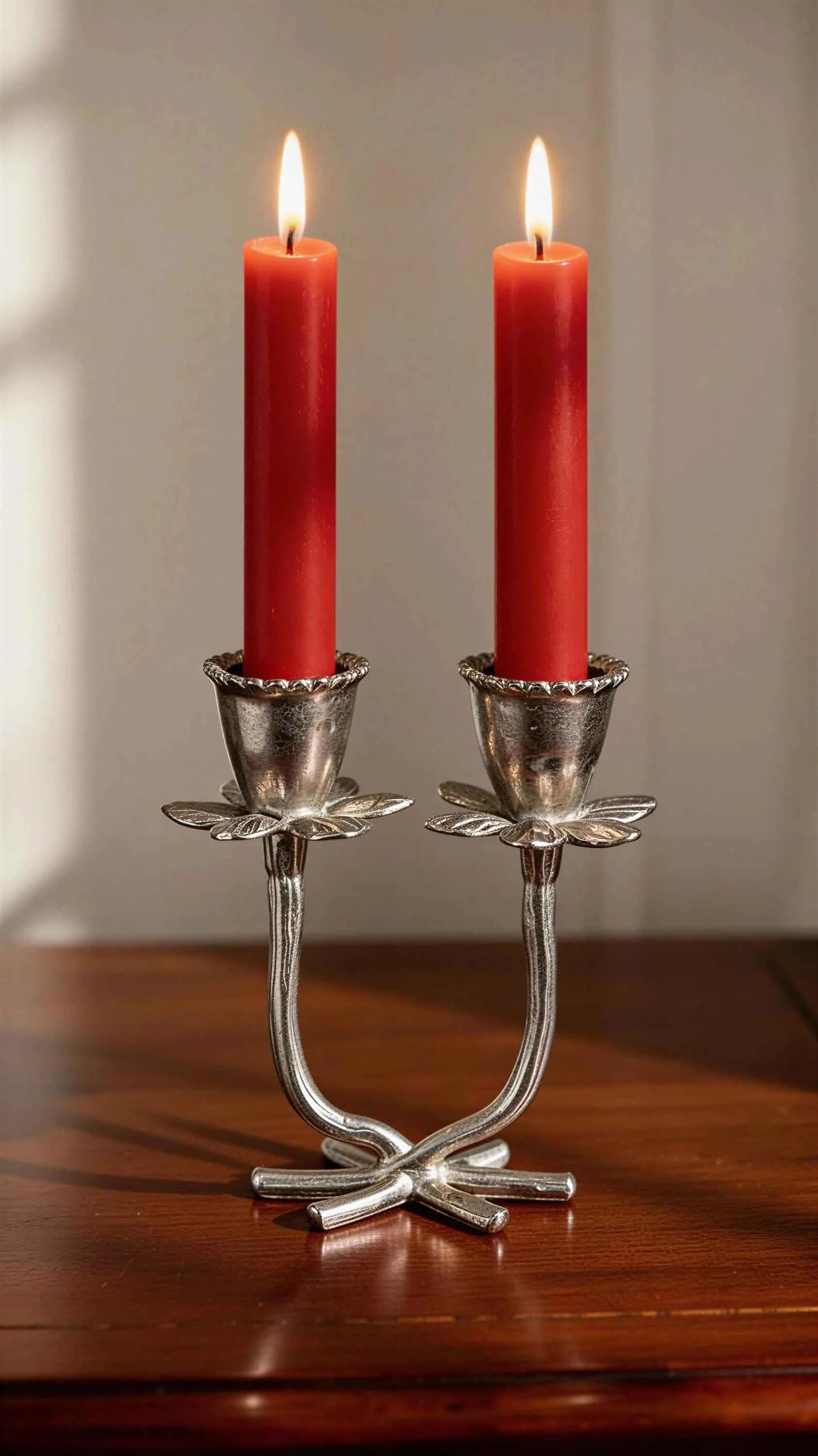
The easiest way to shop confidently is to favor transparency. Look for a clear lead-free material statement and a specific description of the object’s use. A pewter
, for example, is designed around candlelight and décor; a pewter spoon or salt cellar is designed around dining. The motif may be a sea turtle, tropical leaf, ancient artifact, or woodland creature, but function still matters.
When evaluating a piece, consider these four questions:
Is the pewter explicitly described as lead-free?
Is the object presented for food service, desk use, candlelight, or decoration?
Does the maker provide straightforward care instructions?
Does the design suit the way you plan to use it?
These details matter more than an overly polished sales phrase. A handcrafted business card holder does not need to be food-safe because its purpose is to organize a desk with distinction. A decorative spoon intended for sugar, salt, or serving should have a clearly stated material and intended use. Buying according to function helps preserve both safety and beauty.
At Functional Art Designs by Hugo De Sánchez
, lead-free pewter supports the central idea that useful objects can also carry the presence of art. A detailed pelican, a palm-inspired accent, or a classical motif can earn its place in a home because it does something as well as it says something.
Care Keeps Pewter Beautiful and Ready to Use
Pewter has a naturally mellow finish. Unlike silver, it does not typically require frequent polishing to look its best, and trying to force a mirror-like shine can remove the softer visual depth that gives the alloy its appeal.
For most pieces, hand washing with warm water, mild dish soap, and a soft cloth is enough. Rinse carefully and dry immediately. This is especially helpful after food service, since leftover moisture, salt, or acidic residue can dull the surface over time.
Avoid abrasive scouring pads, harsh powders, bleach, and aggressive metal cleaners unless a maker specifically recommends them. These products can scratch fine handwork, soften delicate detail, or leave a finish looking uneven. A soft cloth is kinder to the tiny textures that give a hand-cast feather, leaf vein, shell, or sculpted animal its character.
Dishwasher use is usually not the thoughtful choice for handcrafted pewter. High heat, strong detergents, and prolonged wet cycles can affect its finish. Hand washing takes only a moment and gives you a chance to enjoy the workmanship up close.
For candle holders, let the piece cool fully before removing wax. Lift away loose wax gently rather than scraping it with a sharp utensil. Keep candles properly sized for the holder, place the holder on a stable heat-safe surface, and never leave a burning candle unattended. These are candle safety habits first, but they also help protect the pewter object and the surface beneath it.
Vintage Pewter Deserves a Different Standard
An old pewter tankard from an estate sale or an unmarked dish with a beautiful aged patina can be wonderfully evocative. It may belong on a bookshelf, in a curio display, or as a decorative vessel for dried botanicals. Yet unless its composition and origin are known, it is best not to use vintage pewter for food or drink.
Visual inspection alone cannot confirm whether an antique contains lead. Marks can offer clues, but they are not always definitive. Consumer lead-test kits may provide a preliminary indication, though they are not a substitute for professional material analysis. When there is doubt, display is the safer and often more respectful role for an old piece.
This is not a reason to avoid all older metalwork. It is simply a reminder that historic objects were made under different expectations. Contemporary lead-free pewter lets you enjoy the same sense of tradition in a form suited to modern dining, gift giving, and home life.
A Material Made for Meaningful Use
Pewter safety comes down to clear sourcing, intended use, and simple care. Choose lead-free pewter from a maker who identifies the material, use food-service pieces for serving rather than cooking or long-term storage, and give handcrafted surfaces a gentle hand wash.
Then let the piece do what it was made to do: hold the candlelight at a gathering, bring a small flourish to a shared meal, or make an ordinary desk feel a little more personal. The safest objects are often the ones we understand well enough to use, enjoy, and keep close for years.