The journal
Pewter Versus Stainless Accessories Compared
Pewter Versus Stainless Accessories Compared
A serving spoon is never just a serving spoon when it rests beside a candlelit table setting, catches the eye with a botanical handle, or becomes the object guests ask about before dinner begins. That is where the choice of material matters. In the conversation around
pewter versus stainless accessories
, the real question is not simply which metal is stronger. It is which material brings the right character, function, and feeling to the rituals of your home.
Both metals have an honored place in kitchens, dining rooms, offices, and gift boxes. Stainless steel is familiar, efficient, and often deliberately understated. Lead-free pewter offers a softer glow, sculptural presence, and a hand-finished quality that can turn a napkin ring, salt cellar, or letter opener into a small work of usable art. The better choice depends on how you want an object to serve and what you want it to say.
Pewter Versus Stainless Accessories: The Visual Difference
Stainless steel has a cool, clean appearance. Depending on its finish, it can be bright and reflective, softly brushed, or nearly mirror-like. It suits contemporary kitchens, streamlined barware, and settings where crisp geometry takes the lead. Its visual strength is restraint: stainless often recedes so food, linens, or other decorative elements can shine.
Pewter behaves differently in the light. Its silvery surface is warmer and gentler, with an inviting satin-like luster rather than a sharp flash. It has a presence that feels at home beside natural materials such as wood, linen, ceramic, and stone. A handcrafted pewter piece can also hold intricate relief work beautifully - the curl of a sea creature, the veins of a tropical leaf, the watchful profile of a bird, or the weathered character of an ancient-inspired symbol.
That distinction matters when selecting accessories meant to be seen up close. A stainless steel spoon may accomplish its task neatly. A pewter spoon with a detailed motif can invite a story: a reminder of a coastal trip, a love of wildlife, or a host's affection for meaningful table rituals.
The Feel of Handcrafted Detail
For decorative accessories, the metal must do more than withstand use. It must support the artist's design. Lead-free pewter is especially valued for its ability to capture dimensional detail and organic contours. It can be shaped into handles that feel pleasant in the hand, sculpted into small creatures and leaves, and finished with subtle variations that reveal the maker's touch.
This is why pewter is a natural material for functional art.
A business card holder
an ancient desk organizer
can bring a small botanical landscape to a mantel or dining table. A napkin ring can add whimsical Caribbean decor to a gathering without making the table feel overly formal.
Stainless steel can certainly be formed and decorated, but it is a harder metal and is more commonly associated with industrial precision, clean lines, and factory-scale production. That is not a flaw. For someone who prefers minimalism or needs matching pieces for frequent, high-volume entertaining, stainless may be exactly right. Yet when the goal is an accessory with individuality, texture, and a distinct decorative identity, handcrafted pewter offers more expressive possibilities.
Durability Is More Than Hardness
Stainless steel wins the straightforward hardness contest. It resists dents and scratches well, tolerates demanding daily use, and is a practical choice for items likely to receive rough treatment. A busy household may appreciate stainless serving pieces, utensils, or drinkware that can move from a weekday meal to a crowded dishwasher rack with little ceremony.
Pewter is softer, so it deserves a more considerate hand. Fine pewter accessories can acquire small marks over time, particularly if they are tossed into a drawer with hard utensils or scrubbed with abrasive materials. For many collectors, that gradual change is part of the material's charm: a lived-in patina that reflects years of celebrations, quiet dinners, and thoughtful use. But if an item will be handled constantly by children, packed for travel, or exposed to hard knocks, stainless steel may be the less demanding option.
Durability also depends on the object. A decorative pewter letter opener,
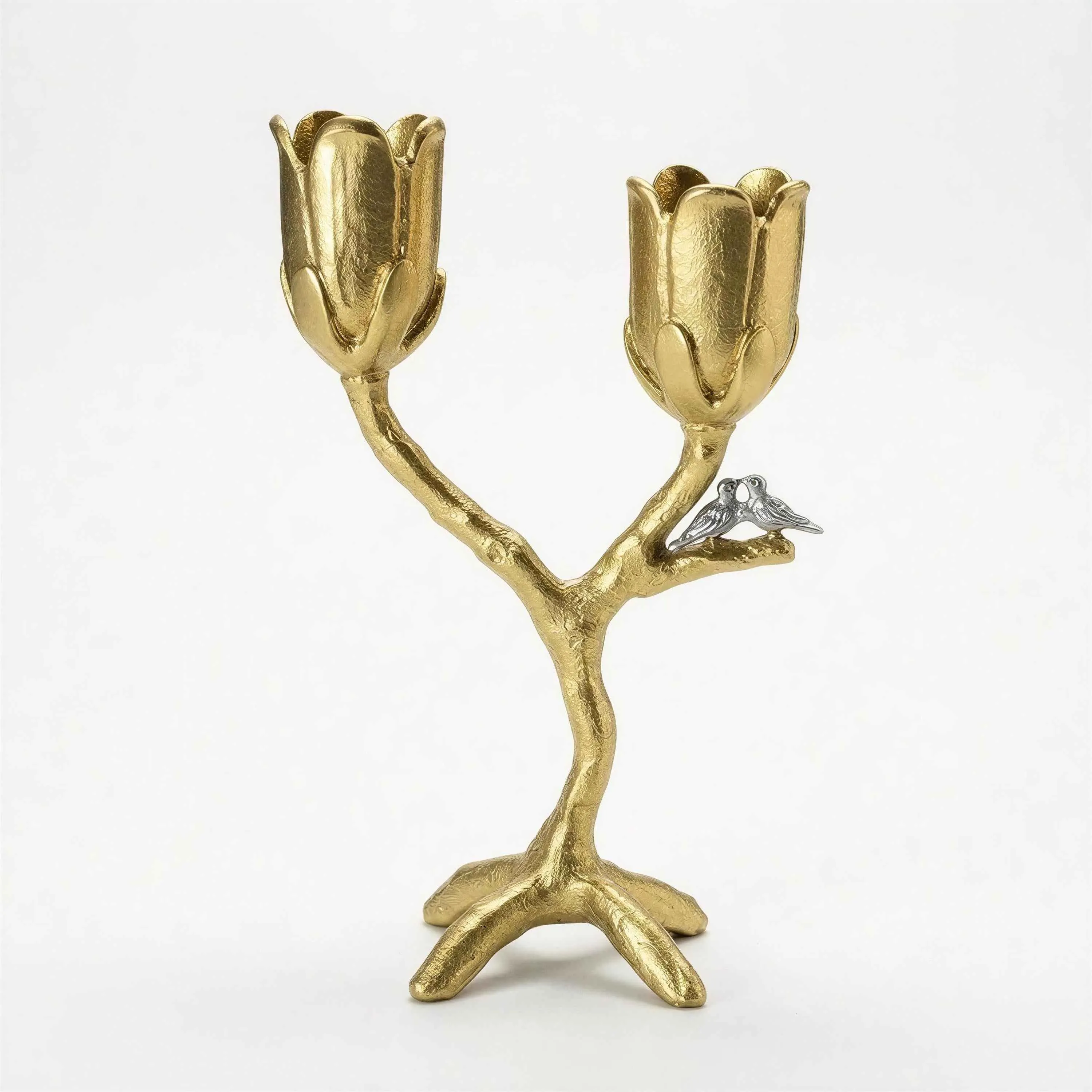
, candle holder, or set of napkin rings is not asked to perform the same labor as a chef's knife or stockpot. Choosing the material in relation to the task is wiser than declaring one metal universally better.
A note on food use and safety
Quality matters with any metal that touches food. Contemporary lead-free pewter is made without lead and is suitable for appropriate food-related accessories when the maker specifies that use. It is a beautiful option for serving pieces, salt cellars, condiment spoons, and table accents designed for the occasion.
Stainless steel is widely appreciated for food service because it is nonporous, easy to clean, and highly resistant to corrosion. Still, buyers should look beyond the broad label of “stainless.” Construction, finish, and intended use matter, especially for pieces that will meet acidic foods, salt, or repeated washing. With either material, following the maker's care guidance protects both the finish and the pleasure of using the piece.
Care: Everyday Ease or a More Personal Ritual?
Stainless steel is often the low-maintenance favorite. It generally cleans easily with mild soap and water, and many stainless accessories are made for dishwasher use. Water spots or fingerprints may appear on polished surfaces, but they are usually simple to remove with a soft cloth.
Pewter benefits from gentler care. Hand washing with mild soap, rinsing promptly, and drying thoroughly are sensible habits for preserving a beautiful finish. Avoid harsh scouring pads, strong chemical cleaners, and long exposure to acidic foods unless the maker confirms the item is intended for it. Pewter does not require constant polishing; in fact, an overly bright, aggressively polished surface can erase the mellow character that makes the metal appealing.
For some homes, stainless steel's convenience is the deciding factor. For others, caring for a pewter accessory becomes part of the experience. There is a quiet pleasure in drying a sculpted spoon after a dinner party or placing a favorite candle holder back on the shelf, ready for the next evening's light.
Choosing by Room and Occasion
A stainless accessory is often the natural fit for a sleek, modern kitchen, a contemporary office, or a household that values uniformity across everyday tools. It pairs easily with chrome fixtures, glass, white ceramics, and polished appliances. If you need practical pieces that blend in, stainless is reliably versatile.
Pewter is especially compelling where atmosphere matters. On a dining table, it softens formal place settings and gives casual gatherings a considered finish. In a study or home office, a pewter card holder or letter opener brings warmth to a desk otherwise filled with screens and paper. Near a bar cart, a coastal-inspired bottle accessory or decorative spoon can suggest a sense of place before the first drink is poured.
It also makes gifting more personal. Stainless steel can be useful, but pewter often feels selected for a specific person. A nature-inspired kitchen gift for a bird lover, a legendary motif for a history enthusiast, or a botanical candle holder for a new homeowner carries a visual language beyond its function. At Functional Art Designs by Hugo De Sánchez, that union of practical purpose and sculptural storytelling is central to the appeal of lead-free pewter.
Which Metal Belongs in Your Home?
Choose stainless steel when you want a hard-working, clean-lined accessory that asks very little of you. It is a dependable material for frequent use, active households, and modern spaces where durability and simplicity come first.
Choose lead-free pewter when you want the accessory itself to contribute to the room. Its softer sheen, detailed metalwork, and handmade character make everyday objects feel more intentional. It is particularly suited to gifts, entertaining pieces, desk accessories, and decorative accents that deserve to be picked up, examined, and remembered.
There is room for both. Let stainless steel handle the busiest tasks, and let pewter bring poetry to the moments when setting the table, lighting a candle, or organizing a desk feels like a chance to make your personal space more distinctly yours.